Can I Transport Plants by Car, Plane, or Moving Truck?

Can I transport plants by car, plane, or moving truck is a common question for anyone planning a move with houseplants. Plants are living organisms, and each transport method comes with its own set of challenges and requirements. At Chamomile Go, we understand the importance of keeping your greenery healthy and thriving, no matter the distance. Whether you’re moving across town or across the country, choosing the right transport method and preparing your plants properly can make all the difference.
In this guide, we’ll explore the pros and cons of moving plants by car, plane, or moving truck, and provide practical tips for safe plant travel. We’ll also share advice for legally transporting plants and ensuring they survive the journey intact.
Transporting Plants by Car
For short to medium-distance moves, transporting plants by car is often the most convenient and controlled option. This method allows you to personally oversee their care and adjust conditions as needed.
Tips for Car Transport
Keep plants upright: Secure pots in boxes or crates to prevent tipping.
Control temperature: Avoid leaving plants in hot or cold vehicles for extended periods. Sudden temperature changes can stress delicate indoor plants.
Minimize sunlight exposure: Direct sunlight through car windows can scorch leaves. Use a sunshade or place plants in shaded areas of the car.
Hydration: Water plants a day or two before travel to keep the soil slightly moist without causing spillage.
Using plant transport methods tailored for car travel ensures your houseplants remain healthy and intact. Chamomile Go often recommends this method for smaller moves where personal attention is possible.
Flying Plants on a Plane
Air travel presents unique challenges, particularly with regulations, temperature control, and cabin conditions. Transporting plants legally by plane requires careful planning.
Airline Regulations and Tips
Check airline policies: Some airlines allow small potted plants in the cabin, while others may require them to be shipped as cargo. Each airline has specific guidelines, so check ahead of time.
Pack for protection: Wrap delicate leaves in soft tissue or newspaper and place the plant in a sturdy box. Cushion the pot with packing materials to prevent movement.
Consider temperature changes: Cargo holds can be extremely cold or dry. Choose airlines that offer climate-controlled cargo for sensitive plants.
Documentation: If traveling internationally, some countries require permits or certificates to prevent the spread of pests or invasive species.
We emphasizes that while air travel can be efficient for long-distance moves, it demands strict adherence to airline and legal requirements for transporting plants safely.
Moving Plants in a Moving Truck
For long-distance moves, particularly with multiple plants, moving trucks are often the most practical option. However, this method requires extra precautions to ensure plants are not damaged during transit.
Tips for Truck Transport
Secure placement: Place plants in boxes and secure them upright to prevent tipping. Avoid stacking heavy items on top of plant boxes.
Monitor temperature: Moving trucks can heat up or cool down rapidly. Consider insulated boxes or blankets for sensitive species.
Minimize transit time: Prolonged exposure to extreme conditions can stress plants. Plan your route to reduce travel time and avoid unnecessary delays.
Professional help: Hiring experienced movers, especially a relocation specialist in Sherman Oaks, can ensure that plants are handled with care and reach their destination safely.
we advises clients that moving plants long distance by truck is effective, but proper planning, packing, and handling are crucial for success.
Choosing the Right Plant Transport Methods
Selecting the best plant transport method depends on the distance, type of plants, and your ability to monitor their care during transit.
Short distances: Car travel is ideal for personal control and immediate monitoring.
Long distances: Trucks are suitable for multiple plants, provided proper packing and climate precautions are taken.
International or urgent moves: Planes may be necessary, but careful attention to airline regulations and documentation is required.
we recommends assessing your plants’ sensitivity, fragility, and environmental needs before deciding on a transport method. Using safe plant travel techniques ensures your greenery thrives throughout the move.
Packing Tips for Safe Plant Travel
Regardless of the transport method, packing plants correctly is critical for their survival.
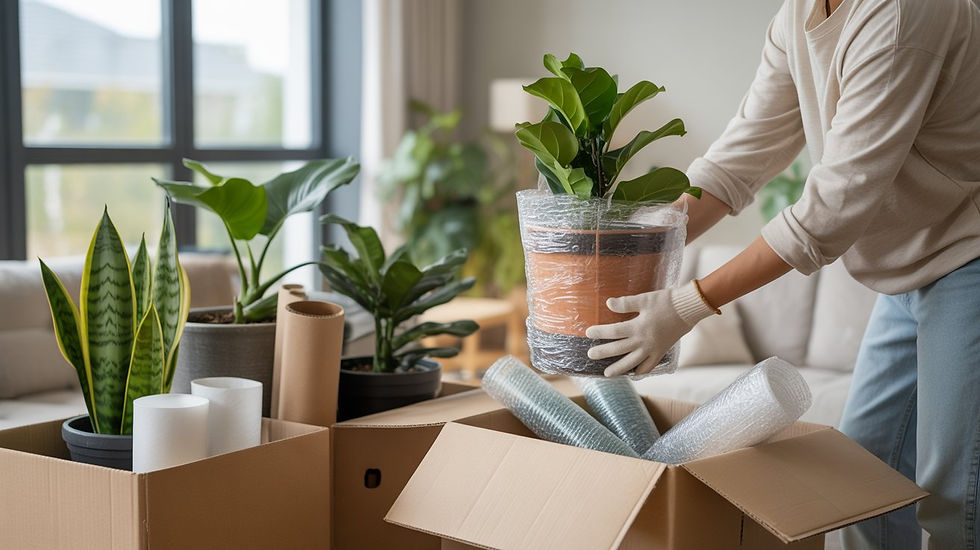
Stabilize pots: Use boxes that fit pots snugly, adding crumpled newspaper or foam around the base to prevent movement.
Wrap delicate foliage: Protect leaves and stems from breakage with soft materials. Avoid plastic wrap directly on foliage to prevent condensation damage.
Group plants by needs: Place plants with similar temperature, light, and humidity requirements together. This simplifies care during travel.
Label boxes: Mark boxes with “Fragile” or “This Side Up” to ensure careful handling.
These packing steps form the foundation of transporting plants legally and safely. we stresses that even small details, like cushioning and labeling, can prevent major damage during transit.
Common Mistakes to Avoid
Many plant owners make avoidable mistakes when moving their greenery. Being aware of these can save plants from unnecessary stress.
Overwatering just before moving, leading to soil spillage or mold.
Exposing plants to direct sunlight or extreme temperatures during transit.
Failing to secure pots, resulting in tipping and broken stems.
Ignoring airline or state regulations when moving plants across borders.
By anticipating these challenges and planning ahead, you can ensure your plants arrive healthy and ready to settle into their new home
Quick Checklist for Moving Plants Safely
Identify plant type and fragility.
Water 24–48 hours before transport.
Wrap delicate leaves and stems.
Secure pots in sturdy boxes with cushioning.
Keep plants upright and monitor temperature.
Follow airline or state regulations if applicable.
Consider professional assistance for large or sensitive plants.
This checklist simplifies the process and ensures all critical steps are addressed, making moving plants long distance less stressful.
You may also read this : best way to transport plants
Final Thoughts
Can I transport plants by car, plane, or moving truck? Yes but each method requires careful planning, proper packing, and attention to plant needs. From small potted houseplants to larger tropical species, understanding plant transport methods, safe plant travel practices, and the legal requirements for moving plants ensures a successful relocation.
Chamomile Go emphasizes that choosing the right method and preparing plants adequately is essential for their survival. For complex or large moves, working with a relocation specialist in Sherman Oaks can provide the expertise and reassurance needed.To make sure your plants arrive healthy and thriving in your new home, contact us today for guidance and professional assistance.
FAQs
Can I transport all types of plants by plane?
Not all plants are suitable for air travel. Check airline regulations and consider temperature-sensitive or fragile species carefully. Some may need climate-controlled cargo or special documentation.
How do I prevent soil from spilling during transport?
Secure pots in snug-fitting boxes, add cushioning around the base, and avoid overwatering immediately before moving. This minimizes movement and soil leakage.
Is it safer to hire professionals for moving multiple plants?
Yes, especially for delicate or large plants. Experienced movers, like a relocation specialist in Sherman Oaks, can ensure safe handling and reduce stress on your plants.


Comments